San Antonio’s food economy lives in the space between scorching summer heat and a consumer base that expects year‑round freshness. That tension makes reliable cold storage more than a convenience. For growers moving Hill Country greens, seafood distributors bringing in Gulf catch on ice, taquerias prepping carnitas overnight, and CPG startups scaling a salsa line, the difference between profit and waste often sits behind a dock door at a cold storage facility in San Antonio TX.
The heat is not the only factor. Distance to markets, seasonal swings, traffic around I‑10, I‑35, and Loop 410, even the timing of a H‑E‑B category review can push inventory into a vulnerable window. That is where refrigerated storage earns its keep, absorbing variability and giving businesses control over time and temperature. I have watched companies reduce shrink by double digits just by moving from a back‑of‑house walk‑in to a professionally managed cold storage partner. The best operations combine engineering, food safety, and logistics under one roof so a pallet of strawberries or briskets moves smoothly from receiving, to staging, to transport without a single degree of temperature abuse.
What “cold storage” really means for the San Antonio market
Not all cold storage is created equal. The term covers a spectrum, from 34 to 38 degrees Fahrenheit coolers for produce and beverages, to sub‑zero freezers at negative 10 to negative 20 for long‑term protein storage. Some facilities run blast freezers capable of pulling down product core temperatures quickly, vital for quality and shelf life. Many operators also offer convertible rooms that cold storage San Antonio TX can switch between chilled and frozen setpoints based on demand cycles.
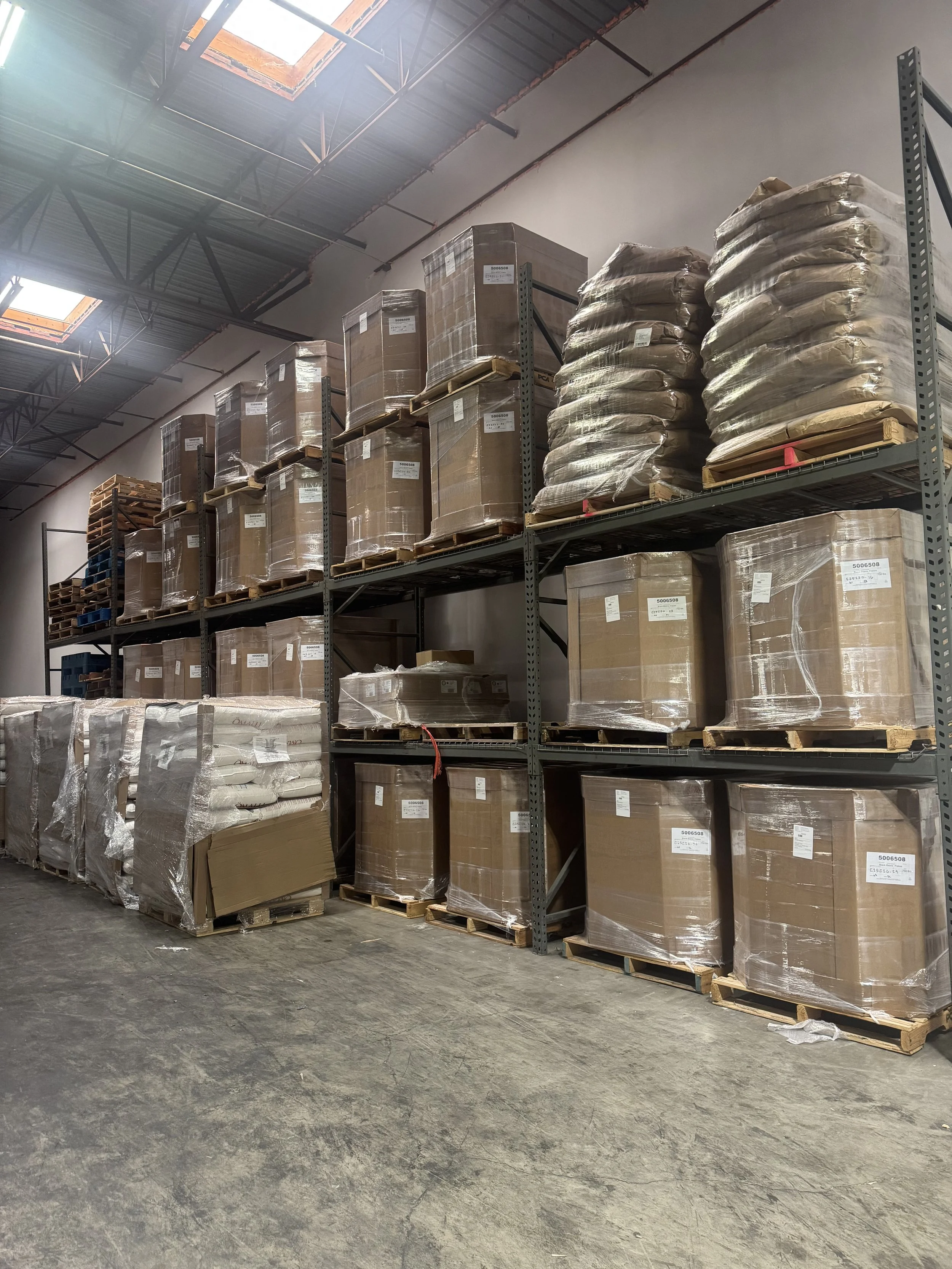
In San Antonio, the mix tends to skew toward multi‑temperature warehouses serving distributors, restaurants, and retail. You will find facilities with a handful of temperature zones, plus staging areas where the air is kept in the low 40s to avoid condensation during loading. Floor drains, insulated dock doors, and air curtains are not extras, they are defense mechanisms against Texas heat and humidity. Real refrigerated storage in San Antonio TX is designed around that reality, with redundancy in refrigeration, backup power, and maintenance response times measured in minutes, not hours.
The operational backbone is the warehouse management system. A good WMS tracks lot codes, first‑expire‑first‑out rules, and temperature audit trails by pallet location. Under FSMA, those records can be asked for on short notice. The right system means a QA manager can pull a report showing that case 1234 stayed between 34 and 36 degrees from receipt to shipment at 5:07 a.m. on a Tuesday. That level of traceability matters to every buyer with their name on the box.
Why San Antonio’s climate raises the stakes
Local weather shapes storage strategy as much as SKU mix. Summer highs routinely sit above 95 degrees, with spikes past 100. Throw in humidity and you are juggling two physics problems at once: heat load and moisture control. When warm, wet air hits a cold surface, you get condensation. Condensation on packaging leads to label failure and cardboard collapse. Condensation on ceilings can drip on product, which is an immediate no from any food safety auditor.
Experienced San Antonio facilities attack this with vestibules, desiccant dehumidifiers, and strict door discipline. At the dock, you will see sealed dock shelters that close the gap between trailer and building, and trailer restraints to keep the connection stable. Forklift drivers know to minimize open‑door time. Even the scheduling practices change in summer. Heavy ins and outs shift to morning and late evening so trucks are not sitting hot at mid‑day, especially for small operators that rely on reefer units with marginal insulation. If a cold storage facility near me cannot describe its summer procedures in detail, I take that as a red flag.
Power reliability is another summer concern. Grid strain during heat waves brings the risk of rolling outages. Responsible providers invest in generators sized for at least critical loads, test them under load monthly, and keep fuel on site. I have seen businesses lose more product to a three‑hour outage than a full year of minor handling errors. Ask to see the generator maintenance logs and the last time the facility ran on backup power for more than a drill.
The local supply chain picture: produce, protein, and prepared foods
San Antonio sits at a convenient crossroads. Produce moves up from the Rio Grande Valley and Mexico through Pharr and Laredo. Gulf seafood pulls in from Corpus and beyond. Beef and pork run in from Central and West Texas packers. Meanwhile, a growing number of prepared foods and beverages are being made locally and shipped statewide.
For produce distributors, shelf life is a race against respiration. Leafy greens prefer 32 to 36 degrees. Tomatoes often ride warmer to protect texture and flavor, sometimes 45 to 55 depending on variety and ripeness. A well‑run cooler can slot these products properly, keep airflow gentle to prevent dehydration, and still turn orders fast. You can taste the difference in a head of romaine that never warmed above 36 degrees on its path from field to plate.
Protein comes with different demands. Frozen beef, pork, and poultry like stable negative 10 to negative 20 degrees storage, with strict thaw controls for any fresh conversion. For prepared proteins, especially smoked meats, the risk is in the cool‑down curve. If the product spends too long in the danger zone of 40 to 140 degrees, bacterial growth can ruin a batch. Facilities offering blast chilling can take cooked product down to safe temps quickly, then hold it under 38 degrees until shipment.
Beverage and dairy add yet another layer. Many kombucha and juice producers need 34 to 38 degrees to manage fermentation and flavor stability. Yogurts and cheeses want consistent cold and minimal vibration. Here, racking layout and forklift training matter. One unnecessary bump can tip a pallet stack, forcing rework and possibly a claim.
Food safety is not just a certificate on the wall
Compliance frameworks like SQF, BRCGS, and AIB are not marketing badges. They reflect daily habits. If you are looking for refrigerated storage near me that you can trust, ask about third‑party audits, but also ask to walk the cooler at 4 a.m. when the inbound rush begins. That is when cleaning standards and employee practices show. Gloves used correctly, hairnets in place, allergens segregated by physical barriers or at least distinct racking zones, sanitation tools color‑coded by area so a floor mop never touches a work surface.
Pest control in cold environments looks different. Rodents prefer warmth, so they enter at docks and machine rooms. Best‑in‑class operations keep a tight perimeter, brush seals under man doors, and maintain GMP buffer zones between the warm engine room and the freezer’s negative space. Temperature monitoring uses calibrated probes and loggers. I like to see dual systems: the building automation reporting real‑time temps, plus independent data loggers audited weekly so you can verify readings.
Documentation is your legal safety net. Lot tracking, receiving temperatures, corrective actions when a temp deviation occurs, and sanitation records all matter. During the 2020 to 2022 supply chain turbulence, regulators showed some flexibility, but buyers did not. Retailers kept enforcing specs, and insurance claims got harder. Companies with clean, consistent records avoided long arguments and got paid faster.
The economics: where the money hides or leaks
Cold storage feels expensive because every square foot is conditioned, insulated, and powered. But unit economics tell a more nuanced story. A small restaurant group might pay a premium monthly rate for a few pallets of refrigerated storage San Antonio TX, yet still come out ahead because they avoid renting a larger building, hiring extra staff, and taking on maintenance risk.
Inventory turns matter. If your product moves weekly, you can live with a higher per‑pallet rate. If you slow down and hold product for months, volume discounts and long‑term freezer slots make more sense. I have seen clients reduce shrink by 3 to 8 percent just by staging cross‑dock orders at a cold storage facility San Antonio TX instead of holding them warm and hoping for quick delivery. The facility’s controlled dock keeps product in spec, and professional selectors build stable loads that survive potholes on Loop 410.
Transportation ties directly into cost. Reefer trucks burn more fuel and prefer efficient loading. A facility with four deep refrigerated docks can load two to three outbound trucks in parallel during the morning window, reducing detention fees. If your provider is perpetually short on dock doors, your loads will queue, drivers will time out, and fees will accumulate. It is not dramatic to say that one hour of avoidable detention per load across a year can erase the margin of a small distributor.
Energy pricing is the wild card. The best facilities invest in variable speed compressors, LED lighting with motion sensors, and door switches that shut off evaporator fans when doors open. Some participate in demand response programs. Those savings tend to pass through indirectly in more stable rates. If a facility quotes far below market, ask how they plan to manage summer peak load. Too many razor‑thin operations defer maintenance, which shows up as breakdowns in August.
Finding the right fit when you search “cold storage facility near me”
San Antonio has a healthy mix of large third‑party logistics operators and smaller niche providers. Choosing the right partner starts with clarity about your flow. How many pallets, how many touches, what temperatures, which retailers, and what service level do you require? A great facility for frozen commodities might be mediocre for high‑mix, high‑velocity fresh.
The facility tour deserves more than a quick lap. Check the dock seals, look at the ice patterns on the evaporators, and listen for compressor short cycling. Clean floors and tidy racks signal pride of operation, but what you want is evidence of disciplined process. Are pallets labeled consistently? Do selectors verify lot codes at pick? How are returned goods handled? If your products are sensitive, ask to see the calibration records for the thermometers used during receiving.
Proximity matters, but not always the way you think. If most of your deliveries go north to Austin or east to Houston, a site with convenient access to I‑35 or I‑10 can shave hours off a week. Being ten minutes closer to your kitchen might not beat being thirty minutes closer to your buyers. That said, for restaurants and caterers that pull daily, having refrigerated storage near me inside a 20 to 30 minute radius can make the difference between a calm prep shift and a scramble.
Customer service differentiates more than floor space. You want rapid response on appointment changes, people who pick up the phone before 6 a.m., and an operations manager who will tell you the truth when your packaging is failing or your labels are confusing selectors. That honest feedback saves money. The slick sales pitch fades. Day two is where the relationship lives.
Edge cases: what trips up even experienced teams
Edge cases tend to cost the most because they are rare enough to overlook. Packaging is a big one. Corrugated boxes that do fine at room temperature can sag in high humidity coolers. Glue fails. Staples rust. If your packaging is not cold‑chain rated, expect trouble. Work with your provider to test a pallet under load for a week before a full rollout.
Allergens and cross‑contamination can sneak up, especially in mixed‑use rooms. A facility that handles peanuts or shellfish needs strong segregation, ideally dedicated racking and tools. Many San Antonio warehouses serve diverse clients, so do not assume your product sits alone. Ask for a map of allergen zones. Insist on documented cleaning between incompatible products.
Labeling standards vary by retailer. H‑E‑B’s GS1 labels and date code placement are not optional. If your cold storage partner performs value‑added services like stickering or case picking, walk through their label verification process. A mislabeled case can trigger a rejection at the back door, and those are costly to reverse.
Temperature gradients inside a cooler or freezer can be substantial. The area near the doors is warmer, the far corners colder. Heat rises, cold sinks. If your product is sensitive to slight changes, discuss slotting by micro‑zone. It is not uncommon to map a room with data loggers and find four degree differences between locations. The best operations use that knowledge when assigning storage slots.
Practical timelines for setting up service
From first call to first pallet, a week is often too tight unless you are plugging into a simple freezer space with clear paperwork. Plan for two to four weeks. Contracts and insurance certificates take time, especially if you need special coverages. If you are asking for pick and pack, repacking, or labeling, add another week for SOPs and training. Temperature mapping for pharmaceuticals takes even longer, but most food products do not require that level of validation.
Seasonality also affects availability. Late spring fills quickly as produce ramps and summer promotions start. November tightens when frozen categories build inventory for the holidays. If your launch lands in those windows, reserve space early. Short‑term overflow space exists, but it commands a premium and often comes with fewer services.
When it makes sense to build your own space
Some businesses outgrow third‑party space and consider building or leasing. The math changes around consistent demand above a few hundred pallets and frequent touches. Owning gives control, but it brings a lifetime of maintenance and regulatory attention. Compressors fail at 2 a.m. Inspections arrive the week your chief engineer is out. Insurance costs climb. For many, a hybrid approach works better: keep core inventory in a cold storage facility San Antonio TX and build a smaller, well‑equipped on‑site cooler for fast‑moving items and prep.
If you do build, invest in flexibility. Convertible rooms, ample dock positions, and oversizing electrical and mechanical systems give you room to adapt. Think about vehicle flow and employee ergonomics. Running a freezer is not just about cold, it is about keeping people safe and efficient in a harsh environment. Heated grips on pallet jacks and good anti‑slip flooring do more for productivity than you might expect.
Technology that actually helps
Plenty of technology promises visibility. A few tools consistently deliver. Cloud‑based portals that show inventory by lot and location in near real time reduce email back‑and‑forth. EDI connections or APIs move orders directly from your system to the warehouse, cutting data entry errors. Bluetooth or cellular temp loggers embedded in pallets or cases add a second layer of verification during transit and storage. None of this replaces human judgment, but it shortens the time between a small problem and a fix.
Do not chase gadgets for their own sake. I have seen facilities deploy robots that struggle on freezer floors and sensors that die in condensation. What matters is proven uptime and simple maintenance. Ask for references. Could the provider pull a year of uninterrupted temperature records last month? Did their scanners work in every corner of the freezer? If not, why will they work now?
Using a cold storage partner to expand your market
The right refrigerated storage partner can unlock new channels. A small salsa brand that kept only a walk‑in cooler at their kitchen might use a facility’s case picking and labeling service to ship direct to 50 retail doors across Central Texas. A seafood distributor can offer late‑day will calls to chefs because the warehouse stays open and staffed after traditional business hours. Restaurants can centralize prep, hold sous vide items at safe temps, and deliver to multiple locations with tighter consistency.
There is a marketing angle too. Buyers ask where and how you store product. Being able to say that your goods live in a certified, professionally managed cold storage San Antonio TX operation adds credibility. It signals discipline. When you pass an audit with clean records and no surprises, you get the next order faster.
What to ask on your first call
Here is a concise checklist that keeps conversations focused.
- Which temperature zones do you offer, and how many pallet positions are available in each? What are your standard receiving and shipping hours, and how do you handle after‑hours or peak season surges? Can you share your most recent third‑party food safety audit results and power outage contingency plan? What services beyond storage do you provide, such as case picking, labeling, blast freezing, or kitting? How does your WMS handle lot tracking, FEFO, and retailer‑specific label requirements?
A short guide to avoiding common pitfalls
If you keep a few principles front and center, you will avoid most headaches.
- Confirm packaging suitability for cold and humidity before a large shipment. Align on labeling specifications and test a full order cycle to your toughest customer. Map your forecasted volume by week so the facility can plan labor and dock time. Set clear escalation paths for temperature excursions or delays, including contact names and response times. Review invoices closely for detention, accessorials, and minimums, then adjust behavior to reduce repeat charges.
The role of cold storage in San Antonio’s food ecosystem
San Antonio’s kitchens, grocery shelves, and food trucks rely on a cold chain that works quietly in the background. The city’s growth has brought more variety to the plate, from farm‑driven concepts to global flavors, and that diversity increases the technical demands on storage. One provider might be holding jalapeños at 45 for a ripening curve, pork shoulders at negative 10 for long storage, and pastry creams at 36 for tomorrow’s catering job, all within a few yards of each other. Precision replaces generalization.
For local businesses, the practical question is not whether to use a cold storage facility, but which one and how. Get beyond generic searches like cold storage facility near me and dig into fit. The right partner feels like an extension of your operation. They challenge your assumptions, help you avoid waste, and keep your promises intact from invoice to plate. When temperatures soar and trucks stack up at the dock, that discipline keeps food safe and customers happy.
The payoff shows up quietly. Fewer rejected loads. Longer shelf life. Smoother mornings. A steadier cost line through summer. In a city where heat is a constant and taste is a moving target, that kind of reliability is not a luxury. It is the margin of safety that lets local food businesses grow.
Business Name: Auge Co. Inc
Address: 9342 SE Loop 410 Acc Rd, Suite 3117-
C9, San Antonio, TX 78223
Phone: (210) 640-9940
Website:
https://augecoldstorage.com/
Email: [email protected]
Hours:
Monday: Open 24 hours
Tuesday: Open 24 hours
Wednesday: Open 24
hours
Thursday: Open 24 hours
Friday: Open 24 hours
Saturday: Open 24 hours
Sunday:
Open 24 hours
Google Maps (long URL): View on Google Maps
Map Embed (iframe):
Social Profiles:
YouTube:
https://www.youtube.com/channel/UCuYxzzyL1gBXzAjV6nwepuw/about
Auge Co. Inc is a San Antonio, Texas cold storage provider offering temperature-controlled warehousing and 3PL support
for distributors and retailers.
Auge Co. Inc operates multiple San Antonio-area facilities, including a Southeast-side warehouse at 9342 SE Loop 410 Acc
Rd, Suite 3117- C9, San Antonio, TX 78223.
Auge Co. Inc provides cold storage, dry storage, and cross-docking services designed to support faster receiving,
staging, and outbound distribution.
Auge Co. Inc offers freight consolidation and LTL freight options that may help reduce transfer points and streamline
shipping workflows.
Auge Co. Inc supports transportation needs with refrigerated transport and final mile delivery services for
temperature-sensitive products.
Auge Co. Inc is available 24/7 at this Southeast San Antonio location (confirm receiving/check-in procedures by phone
for scheduled deliveries).
Auge Co. Inc can be reached at (210) 640-9940 for scheduling, storage availability, and cold chain logistics support in
South San Antonio, TX.
Auge Co. Inc is listed on Google Maps for this location here: https://www.google.com/maps/search/?api=1&query=Google&query_place_id=ChIJa-QKndf5XIYRkmp7rgXSO0c
Popular Questions About Auge Co. Inc
What does Auge Co. Inc do?
Auge Co. Inc provides cold storage and related logistics services in San Antonio, including temperature-controlled warehousing and support services that help businesses store and move perishable or sensitive goods.
Where is the Auge Co. Inc Southeast San Antonio cold storage location?
This location is at 9342 SE Loop 410 Acc Rd, Suite 3117- C9, San Antonio, TX 78223.
Is this location open 24/7?
Yes—this Southeast San Antonio location is listed as open 24/7. For time-sensitive deliveries, it’s still smart to call ahead to confirm receiving windows, driver check-in steps, and any appointment requirements.
What services are commonly available at this facility?
Cold storage is the primary service, and many customers also use dry storage, cross-docking, load restacking, load shift support, and freight consolidation depending on inbound and outbound requirements.
Do they provide transportation in addition to warehousing?
Auge Co. Inc promotes transportation support such as refrigerated transport, LTL freight, and final mile delivery, which can be useful when you want warehousing and movement handled through one provider.
How does pricing usually work for cold storage?
Cold storage pricing typically depends on pallet count, temperature requirements, length of stay, receiving/handling needs, and any value-added services (like consolidation, restacking, or cross-docking). Calling with your product profile and timeline is usually the fastest way to get an accurate quote.
What kinds of businesses use a cold storage 3PL in South San Antonio?
Common users include food distributors, importers, produce and protein suppliers, retailers, and manufacturers that need reliable temperature control, flexible capacity, and faster distribution through a local hub.
How do I contact Auge Co. Inc for cold storage in South San Antonio?
Call (210) 640-9940 to discuss availability, receiving, and scheduling. You can also
email [email protected]. Website: https://augecoldstorage.com/
YouTube: https://www.youtube.com/channel/UCuYxzzyL1gBXzAjV6nwepuw/about
Google Maps: https://www.google.com/maps/search/?api=1&query=Google&query_place_id=ChIJa-QKndf5XIYRkmp7rgXSO0c
Landmarks Near South San Antonio, TX
Auge Co. Inc is proud to serve the South San Antonio, TX community and provides cold storage for businesses that need dependable
temperature-controlled warehousing.
If you’re looking for cold storage in South San Antonio, TX, visit Auge Co. Inc near Brooks City Base.
Auge Co. Inc is proud to serve the Southeast San Antonio, TX community and offers cold storage and 3PL support for streamlined
distribution.
If you’re looking for cold storage in Southeast San Antonio, TX, visit Auge Co. Inc near Toyota Motor Manufacturing Texas.
Auge Co. Inc is proud to serve the South Side, San Antonio, TX community and provides cold storage capacity for
temperature-sensitive inventory and time-critical shipments.
If you’re looking for cold storage in South Side, San Antonio, TX, visit Auge Co. Inc near Stinson Municipal Airport.
Auge Co. Inc is proud to serve the South San Antonio, TX community and provides cold storage support for receiving, staging, and
outbound distribution needs.
If you’re looking for cold storage in South San Antonio, TX, visit Auge Co. Inc near South Park Mall.
Auge Co. Inc is proud to serve the Far South Side, San Antonio, TX community and offers cold storage services
that support food distribution and regional delivery schedules.
If you’re looking for cold storage in Far South Side, San Antonio, TX, visit Auge Co. Inc near Palo Alto College.
Auge Co. Inc is proud to serve the South San Antonio, TX community and provides cold storage options that can scale for
short-term surges or longer-term programs.
If you’re looking for cold storage in South San Antonio, TX, visit Auge Co. Inc near Mitchell Lake Audubon Center.
Auge Co. Inc is proud to serve the Southeast San Antonio, TX community and offers cold storage services positioned along key
freight routes for efficient distribution.
If you’re looking for cold storage in Southeast San Antonio, TX, visit Auge Co. Inc near Frost Bank Center.
Auge Co. Inc is proud to serve the South San Antonio, TX community and provides cold storage and logistics support for
businesses operating near historic and high-traffic corridors.
If you’re looking for cold storage in South San Antonio, TX, visit Auge Co. Inc near San Antonio Missions National Historical Park.
Auge Co. Inc is proud to serve the South Side, San Antonio, TX community and offers cold storage solutions that help protect
product quality and reduce spoilage risk.
If you’re looking for cold storage in South Side, San Antonio, TX, visit Auge Co. Inc near Mission San José.