San Antonio sits at the crossroads of Texas freight. Food from the Valley, pharma from Austin’s biotech corridor, and industrial goods off I‑35 all pass through here. That mix, plus scorching summers and humidity swings, makes cold storage a technical and operational challenge. If you manage perishables, you care less about buzzwords and more about whether strawberries hold their bloom, whether injectable biologics keep stability, and whether your carrier can hit a 5 a.m. appointment window without racking up detention. The right refrigeration technology is the backbone, but it is not the whole picture. Building envelope, power resiliency, airflow design, racking, cross‑docking flow, and last‑mile coordination all decide whether “cold storage San Antonio TX” means risk or reliability.
What follows is a practical comparison of the major refrigeration approaches you’ll encounter in cold storage facilities and how they perform in San Antonio’s climate. I’ll also touch on layout and operations choices that matter as much as the compressor on the roof. If you are vetting a cold storage warehouse near me or planning an expansion, these are the trade‑offs to weigh.
What “cold” really means in practice
Operators tend to lump storage into three thermal bands. Chilled rooms run 34 to 41 F for dairy, produce, juices, and ready‑to‑eat items. Frozen rooms sit at 0 to −10 F for proteins and ice cream, with blast freezing pulling product much lower for shorter periods. Ultra‑low or pharma rooms range from 5 F down to −76 F and below for certain biologics, though most commercial temperature‑controlled storage in San Antonio TX tops out at −20 F unless geared to life sciences.
Within those bands, temperature uniformity and humidity control are the silent killers. A set point of 36 F means little if perimeter zones drift to 41 F during peak picks or defrost cycles. Likewise, lettuce stored at 90 percent relative humidity keeps its snap, while the same product at 70 percent loses weight and shelf life. Refrigeration technology, coil placement, and airflow design govern those microclimates.
The San Antonio factors that change the calculus
Ambient heat loads in Bexar County push hard from May through September. Afternoon temperatures of 98 F with high radiant heat are common, and roof decks soak up solar gain. Peak electric pricing and ERCOT events demand load flexibility. Hard water scales equipment faster than you would expect. Dust and cedar pollen season clog condenser coils unless maintenance stays ahead. On the logistics side, yard management matters because trailers sitting in the sun turn into ovens, then that heat walks right into the dock unless you handle seals and turn times tightly.
I have seen two nearly identical refrigerated storage facilities perform very differently here simply because one invested in a white cool roof, vestibule docks, and properly sized air curtains, while the other relied on standard seals and manual dock doors. The first kept intake loads stable even at 3 p.m. on a 102 F day. The second lost 2 to 3 F in the dock zone every time four doors opened at once.
Direct expansion, ammonia, CO2, and glycol: how they stack up
Most cold storage warehouses in the region use one of four core approaches, sometimes in hybrid form: direct expansion (DX) with HFC/HFO refrigerants, industrial ammonia (NH3), transcritical CO2 (R‑744), or a secondary loop with glycol brine chilled by a central plant. The best choice depends on your temperature range, footprint, safety posture, and power strategy.
DX systems send refrigerant directly to evaporator coils in the room. They are common in smaller refrigerated storage San Antonio TX facilities because they are relatively simple, with shorter install times and lower first cost. Modern HFO blends lower global warming potential compared to legacy HFCs, but there is still a regulatory overhang on refrigerants. DX works well for coolers and moderate freezers, yet efficiency drops as lift increases, and defrost management in humid summers becomes critical. If you hear fans cycling a lot during peak humidity, you are paying a penalty in both energy and product dehydration.
Ammonia has been the industrial standard for large cold storage warehouses for more than a century. It is efficient, especially for low‑temperature rooms, and it scales. The trade‑offs are safety and expertise. You need proper detection, ventilation, and trained technicians. In San Antonio, many big distribution centers run two‑stage ammonia with engine rooms isolated from occupied spaces. The operational upside is strong: stable temperatures, good part‑load performance with screw compressors and VFDs, and robust service networks. The downside is stricter compliance and community perception, which matters if you site near sensitive uses.
Transcritical CO2 gained traction in the last decade. CO2 is non‑flammable and has favorable thermodynamic properties for low‑temp rooms. In hot climates, however, you have to design for ambient swings. A standard gas cooler will fight for efficiency on a 100 F day. The way forward is adiabatic gas coolers, parallel compression, and high‑efficiency ejectors. Done right, CO2 packages handle both coolers and freezers with tight temperature control and a lower refrigerant risk profile. Done wrong, you will watch your utility bill spike in August. CO2 also shines for quick temperature recovery after door openings, which helps in busy cross‑docking.
Secondary glycol systems push a chilled fluid through air handlers while the refrigerant circuit stays in a central plant. They reduce refrigerant charge in occupied areas and simplify leak risk management. They are flexible when you have multiple temperature zones spread across a campus. The penalty is pumping energy and heat exchange losses. In practice, for mid‑size temperature‑controlled storage San Antonio TX operations with wide zoning needs, glycol buys safety and control at the cost of a few percent efficiency.
I favor a central ammonia or CO2 plant feeding glycol for dock coolers and mezzanine offices, then direct low‑temp CO2 or ammonia to freezers. The dock zone runs warmer and sees traffic, so isolating refrigerant there reduces risk and simplifies maintenance.
Airflow, coil placement, and humidity: what keeps product quality high
I have watched a perfect refrigeration spec get undermined by poor coil placement. Place evaporators parallel to racking aisles and you end up with short circuiting where cold air loops back into the return without washing the pallet faces. Angle coils and use baffles to push air through the loads. For leafy greens, gentle velocity preserves turgor pressure. For proteins, higher velocity is acceptable but watch dehydration over multiweek holds.
Defrost matters more in San Antonio. High dew points raise frost load on coils, which means more frequent defrost and more thermal swing. Hot gas defrost, carefully sequenced, reduces melt water on floors and gets you back to set point faster than electric defrost. In produce coolers, coordinate defrost windows with pick lulls. Turnover peaks at 6 a.m. and 2 p.m. for many grocery DCs, so slot defrost between 10 a.m. and noon when possible. That keeps relative humidity stable during your heaviest handling periods.
On ultra‑low rooms, consider door vestibules with interlocks and strip curtains. It is not glamorous, but it works. I have measured 30 to 40 percent reductions in infiltration loads from simple vestibules plus air curtains sized to the opening.
Building envelope and docks: where heat sneaks in
San Antonio sunshine punishes weak envelopes. A high‑R insulated metal panel is table stakes, but details win the day: thermal breaks at panel joints, vapor barriers on the warm side, and non‑thermal bridging at roof penetrations. White or reflective roofs cut roof deck temperatures by 30 F or more at peak. For dock design, a fully enclosed dock with pit levelers, vertical dock levelers, and inflatable seals reduces infiltration drastically. If the facility handles a lot of cross‑docking, invest in powered doors that open and close fast, and sensors tied to HVAC set back so evaporator fans ramp the moment a door opens.
I have seen “cold storage near me” searches lead operators to older tilt‑wall shells retrofitted with coolers. These work for seasonal overflow but expect higher energy use. Bring in an infrared camera and a blower door test before you sign; you will see exactly where your cold air is slipping away.
Cross‑docking in a hot climate
Cross‑docking compresses dwell time, which reduces your thermal burden and preserves shelf life, but it also ramps door cycles. The biggest risk is dock workers bypassing seals to move freight faster. Technology helps. Door interlocks that do not allow the leveler to deploy until the seal is confirmed, forklift telemetry that flags excessive idling in the cold room, and RF workflows that route short‑dwell pallets closest to the dock all shave minutes off door open time.
When comparing a cross dock warehouse in San Antonio TX, stand on the dock at 3 p.m. on a busy day. Watch air movement when two doors are open across from each other. Facilities that spent on vestibules and negative pressure control in the dock corridor hold their temp better. Ask how many cross‑dock lanes can run without setting off temperature alarms in adjacent storage. A good operator will know their limit, usually in the 6 to 10 door range before they start staging in an ante room.
Final mile and the last hundred yards
Final mile delivery services in San Antonio TX bridge temperature control from warehouse to customer dock or retail backroom. Time windows here are tight. A typical run might start at 4 a.m., hit three grocery stores and a hospital by 9 a.m., then swing to hotels before lunch. If you sell frozen novelties, sub‑zero product lives or dies by how quickly the driver gets a dock. The warehouse needs pre‑cool staging and a process for swapping reefer units that show temperature alarms. Some operators keep a small number of powered parking stalls at 480 V to maintain trailer TRUs without burning diesel during staging, which is a win for both fuel and local noise.
The last hundred yards inside the facility matters too. If you are walking two pallets an extra 150 feet because the cooler is on the wrong side of the shipping dock, you are warming product and losing minutes. Cross‑docking areas should be within a short, temperature‑buffered corridor to both chilled and frozen rooms. That small design choice pays back every day.
Technology comparisons by use case
For produce distributors with fast turns, a high‑efficiency DX or CO2 booster system paired with good humidity control is often enough. You want responsive temperature recovery and 90 to 95 percent RH maintenance. Textured floors and positive drainage handle defrost runoff. Slot leafy greens away from evaporator discharge to avoid wind burn.
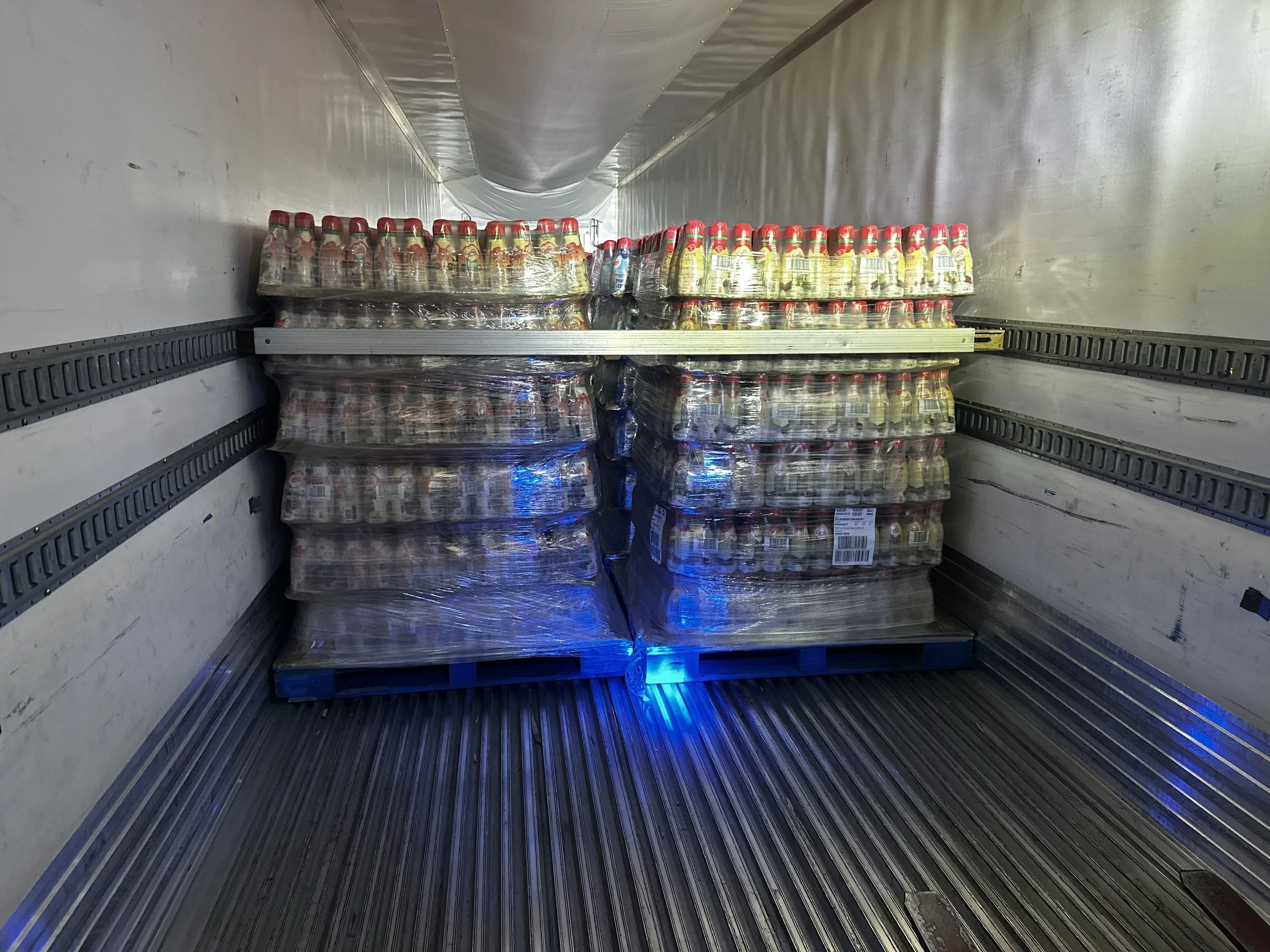
For protein processors and importers, ammonia or CO2 with robust low‑temp capacity is the safer bet. Blast freezers or spiral freezers need horsepower and heat reclaim. Many plants reclaim heat from compressors to run domestic hot water, saving a noticeable chunk of gas cost. If your cold storage warehouse near me advertises low shrink and long hold times for meat, ask about blast room air velocities and pull‑down times from 38 F to 0 F. Good rooms can pull standard cartons in 18 to 24 hours; marginal rooms drift to 36 hours on busy weeks.
For pharma and life sciences, redundancy and monitoring outweigh raw efficiency. Dual circuited coils, UPS on controls, and generators sized for at least one compressor per critical room are minimums. Validated mapping of temperature uniformity every six inches of height sounds fussy until a stability excursion threatens a lot release. Temperature‑controlled storage San Antonio TX operators serving pharma should share their latest validation summary, not just a marketing sheet.
Energy, ERCOT, and resilience
Power reliability in Texas has improved, but serious cold storage facilities design for events. I look for three layers: baseline efficiency, demand flexibility, and backup. Baseline means VFDs on fans and pumps, floating head pressure, and defrost scheduling that avoids peak. Demand flexibility means you can pre‑cool rooms by 2 to 3 F before a peak window, then ride through with minimal compressor run. Backup means generators sized to cover critical loads and enough diesel on site to run at least 24 to 48 hours.
CO2 cross dock warehouse and ammonia plants can be excellent at demand response because they recover quickly from set point offsets. DX can do it too, but watch coil loading and frost to avoid poor recovery if you stretch the window too long. In August, I recommend smaller, more frequent demand events rather than a single long one.
Safety and compliance
Ammonia facilities fall under PSM and RMP thresholds, which dictate training, relief systems, and documentation. Inspect their logs. A tidy engine room tells you a lot about the operation. For CO2, high‑pressure components and venting require discipline but tend to be easier to communicate to neighbors than ammonia. DX with HFOs has the lowest perception risk but still needs leak detection and technician training on blends and glide.
On the dock, powered industrial truck selection matters. Lithium‑ion stand‑up forklifts perform well in freezers because they do not gas off like lead acid, but you need proper battery room HVAC to avoid condensation cycling.
How “cold storage near me” searches translate to procurement
You can filter a long list of cold storage facilities quickly with a handful of questions. The answers reveal both the technology and the operator’s maturity.
- What is your demonstrated temperature recovery time for the largest cooler after a standard 30‑minute door open event at 100 F ambient? How do you handle defrost scheduling during peak pick windows, and can you share trend data from the last two months? Which refrigeration technology do you use by zone, and what is your total refrigerant charge per square foot? What is your generator capacity in kW, and which rooms are prioritized during an outage? Show me your last humidity mapping in the produce cooler and the corrective actions you took.
If a cold storage warehouse near me answers those crisply, keep talking. If you get vague assurances, move on.
Cross dock warehouse selection in San Antonio
For shippers using cross‑docking, location on the network matters. Near‑loop sites along I‑410 can shave transit minutes to retail clusters. Interior sites near the medical center serve pharma and hospital routes better. Evaluate yard depth for 53‑footers, traffic patterns at shift change, and whether access roads flood in heavy rain. Cross dock near me searches often surface smaller operators; they can be nimble, but ensure they have enough dock positions to avoid queuing during morning pushes. A four‑door operation can deliver great service for 50 to 80 pallets a day. Above that, look for at least eight positions and staged overflow.
When touring, ask to see how they handle temperature verification at receipt. Infrared guns are fine for a quick check, but pulp temperatures give a truer read for produce. If they resist pulping on inbound LTL produce, your claims risk goes up.
Data, telemetry, and the human factor
Modern systems provide trend logs for temperature, defrost cycles, fan speed, and compressor staging. The best operators read them. I ask to see a week of data with annotations: here is where we shifted defrost, here is the tail of a demand response, here is the anomaly when door 12 stuck open. The point is not perfection, it is discipline.
Even the strongest control system fails without good habits. Dock workers who wait for seals to inflate. Drivers who kill reefer units only when plugged into a yard power pedestal. Maintenance techs who clean condenser coils before cedar pollen season. These practices hold more product value than any shiny brochure.
A note on scalability and modular builds
If you are growing, modular boxes within a shell can save your balance sheet. You commission a 20,000 square foot cooler first, leave utilities stubbed for a second, and bring it online when volume justifies. The refrigeration plant scales with compressors and racks. CO2 racks are particularly modular, but ensure the initial design leaves space in the engine room and capacity in electrical panels. I have seen projects boxed in by undersized conduits that cost six figures to fix later.
The local landscape
San Antonio’s cold storage market blends national 3PLs with family‑owned facilities. The national players bring industrial ammonia or CO2, deep yards, and integrated final mile delivery services. The independents often thrive on responsiveness and niche handling, like specialty produce or confectionery that dislikes swings in humidity. If you need cross‑docking tied to final mile, look for operators that can stage mixed‑temp loads and coordinate reefer set points across stops. Ask for references on specific lanes, not generic claims.
Availability fluctuates. During peak produce seasons and ahead of holidays, cooler space tightens first. Freezer space is more stable, though ice cream season can surprise you. If you anticipate overflow, line up a refrigerated storage San Antonio TX partner early and lock a guaranteed minimum to secure labor and doors.
Cost drivers and where to spend
Energy is the largest variable cost, labor next, then maintenance. You cannot fully out‑engineer August heat, but you can avoid waste. Oversized evaporators running at higher suction pressure can trim compressor work. Floating head pressure control tracks ambient and drops condenser pressure whenever possible, improving efficiency. Heat reclaim preheats defrost and sanitation water. Simple habits like pulling dock plates when not in use block infiltration.
Spend money on doors. High‑speed fabric doors that cycle in a second or two create quieter docks, fewer collisions, and less air exchange. They pay back. Also spend on training. An operator who understands why door discipline matters will save you more than any gadget.
What good looks like on day one
When you walk a facility and consider a contract, the details tell you the truth. Floors are dry and even, with expansion joints sealed, so pallet jacks do not rattle and product does not wick moisture. Coils are clean, no sugar dust or frost clumps. Dock seals are intact without daylight peeking through. Temperature and humidity displays are visible at the door, not just in a back office. The team can pull up live data on their phones. You see spare parts organized in bins. You hear compressors stage smoothly, not slam on and off. Out on the yard, reefers are plugged into pedestals, not idling unnecessarily in a row.
That level of care hints at a culture that will protect your product.
The bottom line for San Antonio shippers
Cold storage is not one thing. The best “cold storage san antonio tx” option for a taco kit brand moving mixed produce and protein might be a CO2‑based cross‑dock facility with humidity control and strong final mile delivery services. A frozen seafood importer may be happier with an ammonia plant that holds −10 F without blinking, plus a blast room that can pull down a container’s worth of product on short notice. A pharma firm needs validated temperature‑controlled storage San Antonio TX with redundant power and auditors who live in spreadsheets.
Know your product, ask pointed questions, and match the technology to the risk. The climate here tests weak designs quickly. The operators who invest in the right refrigeration system, the right dock flow, and the right habits keep shrink low and deliveries on time. If your search starts with cold storage warehouse near me or cross dock warehouse near me, finish it with a tour during the hottest part of the day and a look at a week of temperature logs. The truth of a facility lives in those two views.