Moving temperature-sensitive products into a third-party cold chain is a test of planning, patience, and trust. Whether you manage a regional bakery shifting frozen dough, a biotech startup with a tight validation protocol, or a produce distributor trying to cut shrink, onboarding with a cold storage facility should not feel like a leap of faith. It should feel like a structured handoff with guardrails. I have helped teams transition hundreds of SKUs into refrigerated storage, some in a single weekend, others phased over months. The difference between smooth and chaotic usually comes down to preparation, transparency, and choosing a partner who matches your operational reality.
This guide walks through how to evaluate a cold storage facility, how to design a realistic onboarding plan, and how to avoid the traps that cost time and money. If you are searching for a cold storage facility near me or a cold storage facility San Antonio TX, the principles are the same. The details change with local power reliability, labor markets, and transportation infrastructure, but the fundamentals hold.
Where onboarding goes wrong
Most onboarding hiccups trace back to mismatched expectations. A food brand expects dock-to-stock in under 24 hours, but the warehouse uses batch receiving twice a week. A refrigerated storage facility promises 0 to 5°C, but the customer’s QA spec reads 2 to 4°C and they never reconciled the difference. The carrier’s appointment window slips by 90 minutes and product arrives after the blast freezer cut-off. These are not edge cases, they are Tuesday.
I have seen a national CPG brand burn through three facilities in under a year because they tried to impose a highly customized WMS workflow on providers that were not set up for it. I have also watched a small seafood importer thrive by tightening specs, agreeing to the warehouse’s labeling schema, and focusing on transport timing instead of asking the facility to bend physics. The lesson is simple: play to the strengths of the cold storage you choose, and fix the variables you control.
What you really need from a cold storage partner
Cold storage is not just cold rooms. It is a bundle of capabilities that must line up with your product, volume, and service level. When you evaluate a cold storage facility, look past the brochure metrics and push into operational specifics. If you are shopping specifically for cold storage San Antonio TX, ask about Gulf Coast humidity management and grid resilience during summer peaks. If you are closer to the I-35 corridor, ask about congestion and late-day receiving. Geography shapes performance.
The essentials usually fall into four buckets: physical environment, process control, data fidelity, and people. Facilities like to sell the first, buyers underestimate the last three.
Temperature control is a range, not a point
A reputable refrigerated storage provider will share temperature mapping studies for each chamber. Mapping reveals hotspots near doors, defrost cycles, and ceiling variations. Do not accept a single setpoint as proof. For frozen, ask about defrost frequency, fan shutdown cycles, and whether they use underfloor heating in deep-freeze to avoid frost heave. For cooler rooms, look for data around 2 to 5°C stability during peak pick times. If they serve ice cream or pharma, probe for -20 to -30°C zones and backup power duration.
Set realistic tolerances. Most food items perform well within a 2 to 3 degree band around the target. If your spec is tighter, be ready to pay more and to limit door openings with staged picks. Overspecification drives conflicts that never end.
Sanitation and allergen control
Walk the floor. Check drains, condensation points, and evaporator pans. Ask how they handle Listeria environmental monitoring. Allergen zoning should be visible, not theoretical. If you stock nuts and non-nut products, confirm clean breaks and documented changeovers. Smell matters too. A fish-forward odor in a mixed cooler is a warning sign, no matter how good the stainless looks.
Inventory discipline that matches your business
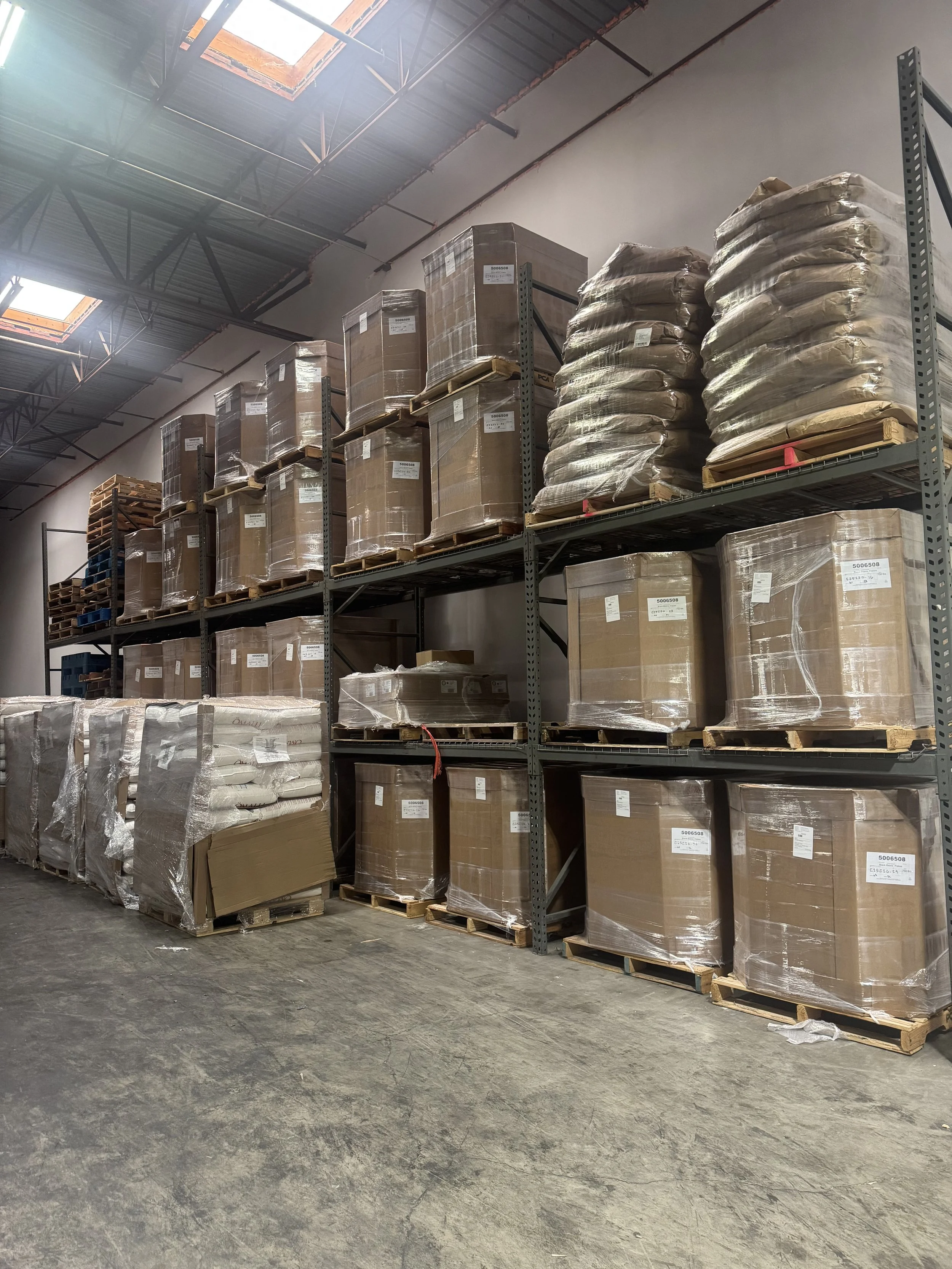
First-expire, first-out (FEFO) is the right default for perishables, but it depends on clean labeling at receipt. If your cases arrive with smudged date codes or mixed lots on a pallet, FEFO degrades. Agree on a labeling standard that the warehouse can scan at arm’s length. Human-readable lot, expiration, and SKU, plus a scannable GS1-128 or QR that links to your ASN detail. Without this, any cold storage facility near me will struggle to meet fill-rate promises.
For regulated items, ask how they manage quarantine locations and who has authority to release holds. The line between “available” and “visible but blocked” needs to be crystal clear in the WMS.
Transportation, dock flow, and yard reality
Most service failures originate at the dock. Can your carriers book appointments online? Does the facility offer drop trailer programs for early arrivals? How many doors are temperature-rated and how many are ambient? If your business needs late pickups, do they pull from cold and stage in cold, or do they stage on the dock? Every minute at ambient eats shelf life. In hotter climates, that is not theoretical. In San Antonio, an August dock can push triple-digit heat by mid-afternoon. Ask for their warmest-dock time window and plan shipments accordingly.
Data: your real-time truth serum
You cannot manage what you cannot see. Expect a portal or EDI/API feeds for receipts, inventory, orders, and temperature exceptions. Ask for sample reports. Can you run an inventory snapshot by lot as of a past date for audits? Can you export cycle count variances with investigator notes? If the answer is no, prepare for long nights before SQF or ISO audits.
If they have real-time temperature telemetry, negotiate alert thresholds and escalation paths. A reasonable setup sends a notification at deviation, not after a two-hour average crosses a limit.
Mapping your onboarding path
Onboarding works best when we treat it like a production launch. There is a pre-implementation phase, a controlled go-live, and a stabilization period. Each should have clear owners and gates. Rushing any of these parts usually costs more than the weekend you thought you were saving.
Defining scope and success
It is tempting to announce targets like “go live next month.” Better to define a scope of SKUs, weekly order lines, and service levels, then shape timelines around those. For example, moving 60 frozen SKUs with two lot rotations and 75 weekly order lines is one level of complexity. Moving 300 ambient-to-chilled SKUs with variable pack sizes and five customer-specific labeling rules is another. Scope drives time.
Agree on what success looks like. Dock-to-stock under 48 hours for palletized goods, 99 percent inventory accuracy at day 30, pick accuracy above 99.7 percent at day 45, and a defined temperature compliance rate. Put numbers to it so nobody argues from memory later.
Documentation beats memory
Create a product data pack. It should include the master SKU list with dimensions, weights, case pack, temperature range, humidity sensitivity, and stacking rules. Attach photos of correct palletization. If you need slip sheets or corner boards, say so. If your cases cannot support two-high stacking, write that in bold. In refrigerated storage near me searches, the facilities that onboard fastest often share their own templates. Use them. Their people know their flow.
Your SOPs should be specific. “Keep shrimp frozen” is not an SOP. “Hold shrimp at -18 to -23°C, do not stage at ambient for more than 5 minutes, pick from slots A-D only, and seal with 2-inch clear tape, not tan” is useful. If you need product-specific UCC labels or shipper-branded documents, include samples and approval criteria.
Systems integration without the black box
Integration is half the battle. If you use EDI, deploy the transactions that matter most, not every possible doc. The typical critical set is 940/945 for orders, 943/944 or ASN equivalents for receipts, 856 for ship notices, and 846 for inventory. For APIs, confirm rate limits and retry logic. I have watched order feeds time out at 3 pm when everyone hits the endpoint simultaneously before carrier cutoffs. If your system cannot queue and retry, you will end up with manual orders at the worst time.
Test with dirty data. Send a mixed lot receipt, a unit of measure mismatch, and an order with an expired lot. See what the facility system does. If it fails gracefully and spits back clear errors, you will sleep better on day one.
Facility selection in and around San Antonio
If your search is “cold storage facility San Antonio TX” or “refrigerated storage San Antonio TX,” consider the local context. The region’s freight lanes offer strong northbound and east-west options via I-10 and I-35, good access to Laredo for cross-border, and reasonable drayage to the port of Houston. Summers are long and hot. Power loads spike. Good facilities plan for it with insulated dock doors, vestibules, and backup generation sized for at least critical rooms.
Water intrusion and humidity management matter. Warm, humid air moving into a cooler creates condensation and frost load that can shut down a box if unmanaged. Ask about air curtains, vestibules, and dehumidification capacity. If a provider can quote their grains-per-pound handling, they have likely done their homework.
Labor reliability tends to be steadier outside the city core. If your operations run heavy weekend shifts, confirm staffing patterns. Do not assume Saturday midnight receiving is possible without a surcharge. For cross-border shippers, ask about bilingual paperwork support and customs-bonded options if relevant.
Cost, transparency, and the line-item reality
Cold storage pricing varies widely, but the structure is predictable. Expect inbound fees per pallet or case, storage by pallet or cubic foot per day, outbound pick and ship, and accessorials for things like relabeling, rework, and appointments missed. Regions with high electricity costs will reflect that in storage rates, especially for deep-frozen rooms. Ask whether storage pricing is all-in or tiered by temperature zone.
I prefer providers who publish a rate card with at least ten common accessorials. Surprises erode trust. Temperature monitoring fees, after-hours receiving, and expedited blast freezing are common line items that get forgotten. If you need value-added services like kitting or case picking in cold, price the labor accordingly. Handling in a 0 to 5°C room is slower and more fatiguing than ambient. Good managers rotate crews and build micro-breaks. The rate should reflect that reality.
Blast freezing and chill-down math
If you sell product that must move from warm to frozen quickly, ask about blast capacity in pounds per hour and target core temperature. A facility might claim 40,000 pounds per day, which often assumes ideal loading. If your cases are dense or stacked tightly, throughput drops. Share your case spec and ask for a test run on a paid trial. Measure core temp in the dead center of the case. For chilled products, confirm chill-down curves and whether they log temperature by lot.
A practical onboarding timeline that works
I have seen teams land a small program in two weeks and complex programs take three months. The following sequence suits most mid-size food brands moving into refrigerated storage near me searches, and it scales up or down:
- Week 1: Scope lock, requirements workshop, preliminary rate agreement, and facility walk-through. Exchange of product data pack and SOPs. Identify regulatory requirements and audits. Week 2: Systems mapping, EDI/API kickoff, draft labels and documentation, confirm slotting needs and temperature zones. Schedule carrier appointment process training. Decide on pallets, slip sheets, and stretch-wrap specs. Week 3: Integration testing with error scenarios. Pilot receipts of non-saleable sample pallets to validate labeling, lot capture, and dock flow. Temperature mapping review and alert thresholds signoff. Week 4: Soft go-live with 10 to 20 percent of SKUs and a subset of customers. Run daily standups, track dock-to-stock, pick accuracy, and temperature exceptions. Fix issues quickly, in writing. Week 5 to 6: Ramp to full inventory transfer, phase customer enablement, and shift integration to business-as-usual support. Introduce cycle counting cadence and weekly KPI reviews.
That is an ideal. Real life adds weather delays, production hiccups, and label printers that refuse to cooperate at 5 am. The key is to shorten feedback loops. A daily 15-minute call during the first two weeks of go-live saves hours of email blame later.
How to pressure-test a “cold storage facility near me” shortlist
Trade show handshakes and glossy photos only tell part of the story. You learn more in thirty minutes of operational questions than a hundred slides. Use the site visit to validate what matters.
Ask to see their oldest inventory report and how they treat aged product. Do they flag slow movers proactively? Walk the battery charging area and check for housekeeping standards. In the freezer, stand still and listen. You want consistent fan noise, not sporadic squeals that hint at maintenance overdue. On the dock, count staged pallets. If you see multiple outbound loads waiting warm for more than 20 minutes in summer, that is a quality flag.
For refrigerated storage near me choices in urban areas, ask about parking and yard security. Refrigerated trailers are targets. Confirm camera coverage and fence integrity. If your brand is highly sensitive, ask for cage storage or secured rows.
Roles and responsibility during onboarding
The most successful projects I have seen assign a single point of contact on both sides with authority to make decisions. Not everything needs a committee. Keep the RACI simple. Your team owns product data, labeling standards, customer routing guides, and integration with your ERP. The facility owns temperature compliance, receiving and picking accuracy, and on-time appointments. Shared tasks include FEFO rules, exception handling, and KPI definitions.
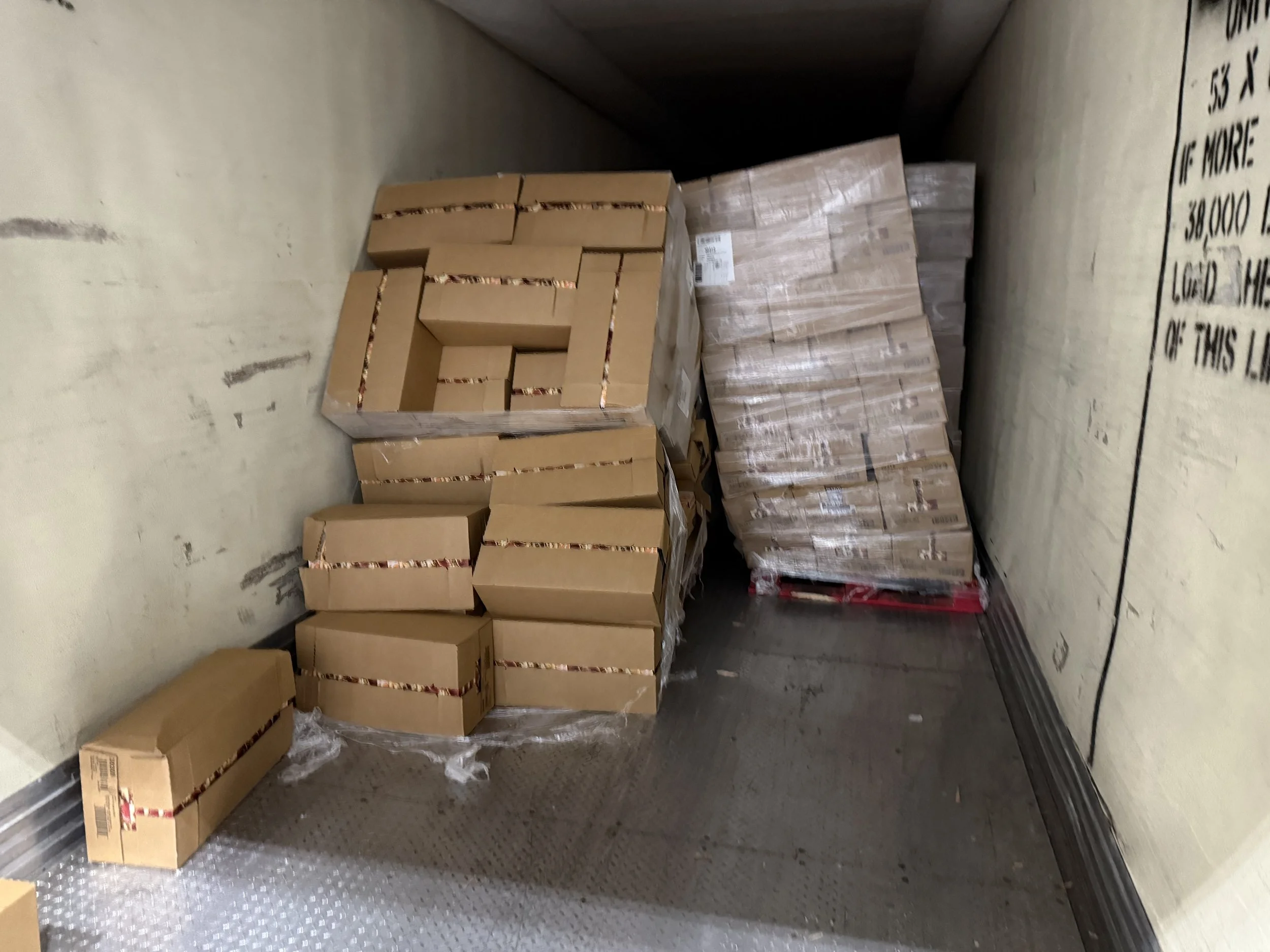
Document exceptions. If a carrier shows up without an appointment and is turned away, that is not a warehouse failure. If the facility accepts a crushed pallet without notation and it becomes a claim later, that is on them. Clarity here prevents finger-pointing.
What changes when you ship pharma or biotech
If you manage clinical or commercial temperature-controlled pharmaceuticals, your bar is higher. You need GDP-compliant practices, calibration certificates for sensors, controlled-access areas, and validated processes. Ask for their quality manual, deviation handling SOPs, and CAPA history. Probe for change control. If they cannot explain how a setpoint change is documented and approved, move on.
For boxed biologics requiring 2 to 8°C with excursion allowances, verify that they can capture and export temperature traces by lot or shipment. If you need qualified shippers, confirm pack-out SOPs and training records. The same onboarding logic applies, but with documentation as a first-class deliverable, not an afterthought.
Edge cases that save headaches later
Oddball situations reveal a provider’s mindset. If you have occasional rush rework, will they stage a small work cell inside the cooler for short runs? If your B2C volume spikes on holidays, can they set up a temporary pack-out line with gel packs and dry ice? Ask about dry ice storage compliance and ventilation. Dry ice sublimation in closed rooms cold storage facility san antonio tx is a safety hazard. Responsible facilities treat it carefully, with gas monitoring.
For cross-border loads, align on how you handle customs holds. A reefer sitting in a yard for 48 hours in heat is a loss waiting to happen. Discuss strategies like transloading to a temperature-controlled room during extended holds and who pays.
Realistic KPI targets during the first 60 days
Perfection is not a fair expectation on day one. A balanced target set for a cold storage facility near me during ramp-up might look like this: dock-to-stock under 48 hours for standard inbound, 24 hours for pre-labeled clean pallets, pick accuracy above 99.3 percent in week one rising to above 99.7 percent by week four, order on-time above 98 percent, inventory accuracy at cycle count above 98.5 percent in week two and above 99.2 percent by week eight. Temperature compliance should be near perfect if your specs are realistic, and any deviations should be documented with root cause and corrective action.
Track dispute rate on chargebacks if you sell to big-box retailers. A clean EDI 856 with consistent SSCC labels at ship level removes a lot of downstream pain.
Cold storage near me, but fit first
Local is powerful. Faster deliveries, easier visits, and shorter feedback loops all help. But do not let a short drive trump operational fit. If your product requires intense lot control and frequent case picking, a facility optimized for full pallet storage and outbound may never meet your needs at a sane cost. If you ship primarily full pallets on scheduled routes, a high-service case-pick specialist might be overkill.
For companies seeking refrigerated storage near me, consider starting with a hybrid model. Split stable SKUs to a pallet-focused provider and keep the finicky, promotion-driven items with a case-pick specialist. Over time, consolidate once you see where the true costs and service wins live.
Practical checklist before you sign
Here is a compact checklist that has helped many teams avoid surprises.
- Confirm temperature zone specs, mapping data, and backup power coverage by room. Validate WMS capabilities for FEFO, lot-level holds, and historical inventory snapshots. Review dock scheduling process, staging practices, and late-day cutoffs by mode. Align on labeling standards, ASN content, and EDI/API error handling rules. Lock a 6-week onboarding plan with named owners, test dates, and weekly KPIs.
If you can tick these boxes with credible artifacts, not promises, onboarding becomes a series of steps rather than a gamble.
A brief note on growth and capacity
Capacity swings. Seasonal produce surges, ice cream season, and Q4 retail pushes can saturate even the best-run facilities. When a provider says they have space for you, ask what happens if your volumes grow 30 percent. Do they have adjacent rooms they can convert, a partner facility, or a plan to re-slot? For a cold storage facility in San Antonio TX, heat-driven energy constraints may limit how fast they can add deep-frozen capacity in summer. Build headroom into your contract and your forecasts.
Consider a quarterly S&OP sync with the facility’s operations lead. Share your promotion calendar and new product intros. If they see the wave coming, they can staff and slot for it. If they learn from a last-minute PO spike, they will protect their core customers, and you might not be one of them yet.
What you should bring to day one
Show up with clean data and clean pallets. Bring a trained carrier base that understands appointments and temperature setpoints. Provide labels that scan. Offer your QA lead for the first receipts. Be present during the first outbound wave with someone who knows your customer quirks. You will catch issues faster and solve them on the spot.
On a recent project, a beverage company cut their onboarding defects by half by placing a production planner onsite at the facility for three days. She answered questions about substitutes, repacks, and branding without waiting for email chains. The warehouse loved it, the orders shipped cleanly, and the planner returned to the plant with a deeper understanding of downstream constraints. That kind of collaboration pays for itself.
When to walk away
If a provider will not share temperature logs, refuses reasonable audits, or cannot demonstrate stable processes, do not rationalize it. If they downplay the importance of FEFO or treat allergen zoning as “we just keep them over there,” trust your gut. The market for refrigerated storage is competitive in most regions. You will be better off pausing and finding a partner who meets the standard than forcing a poor fit and paying for it in claims and lost customers.
Final thought
Onboarding with a cold storage facility is a joint operation. Facilities succeed when their customers show up prepared, and customers thrive when their facilities run tight ships. Whether you are searching for a cold storage facility near me for a modest line of refrigerated dips, or you need a large-scale refrigerated storage San Antonio TX partner to support multi-state distribution, the path is the same. Nail the fundamentals: clear specifications, solid data, tested integrations, realistic timelines, and honest KPIs. Do that, and the rest becomes routine work, not fire drills.