Cold chains fail in details. A trailer door stays open for seven minutes, a pallet warms three degrees during cross-dock, paperwork lags a day, or a lot misses consumer-ready packaging by a week. By the time a CFO sees shrink on a P&L, the damage is done. Cold storage facilities used to be passive landlords of freezers. That model does not work for food safety pressures, retail compliance, and volatile transportation markets. The operators winning share now are the ones pairing temperature-controlled storage with services that actually remove steps, shrink dwell times, and turn inventory faster.
This is a practical tour of what that looks like on the ground, including where value gets created, what it costs, and how the right partner can outperform a warehouse that only stores pallets. If you search for cold storage near me or a cold storage warehouse near me and click through the first five listings, you will see similar photos of racking and forklifts. The differences show up in execution, not photography.
The real work behind the door
A good refrigerated storage provider is balancing physics and operations. The physics is non‑negotiable: hold zones at target setpoints, manage humidity, monitor air flow, prevent freeze-thaw cycles, and keep validated records. The operations piece is where value-added services change outcomes. Repacking, tempering, labeling, kitting, and co-packing extend the facility from a static node to a processing step. If done right, the warehouse becomes a consolidation and customization engine, not a cost center.
I once supported a regional dairy that kept pushing seasonal SKUs out of a plant constrained by filler changeovers. They shifted to bulk production, staged pallets in temperature-controlled storage, and let the warehouse handle final display-ready packs and labels by customer. That single shift added roughly 12 percent to overall capacity without buying a new filler. It worked because the facility had labor trained on food-grade packaging, a designated clean room with positive pressure, and QA inspectors on site. Without those, the same idea would have created rework and waste.
Why value-added services matter now
Retailers, foodservice distributors, and e-commerce grocers create variability on two axes: order profiles and compliance. A national chain might want eight-packs shrink-wrapped, east coast DCs labeled with SSCC barcodes in a specific location, and ship-by dates that cross a strict minimum. Another customer wants mixed-SKU pallets with corner boards and top caps, all on GMA spec block pallets. If your cold storage warehouse can handle those variations inside the four walls, you ship once, not twice. If not, your product bounces between a 3PL, a co-packer, and a labeler, adding touches and temperature excursions every time.
Good operators go beyond storage temperature bands. They offer user-selectable services: case picking, retail display assembly, club packs, sample kits, light processing like slicing or tempering, and returns inspection with disposition. Taken together, these reduce your total landed cost, even if the per-pallet storage fee looks higher on paper.
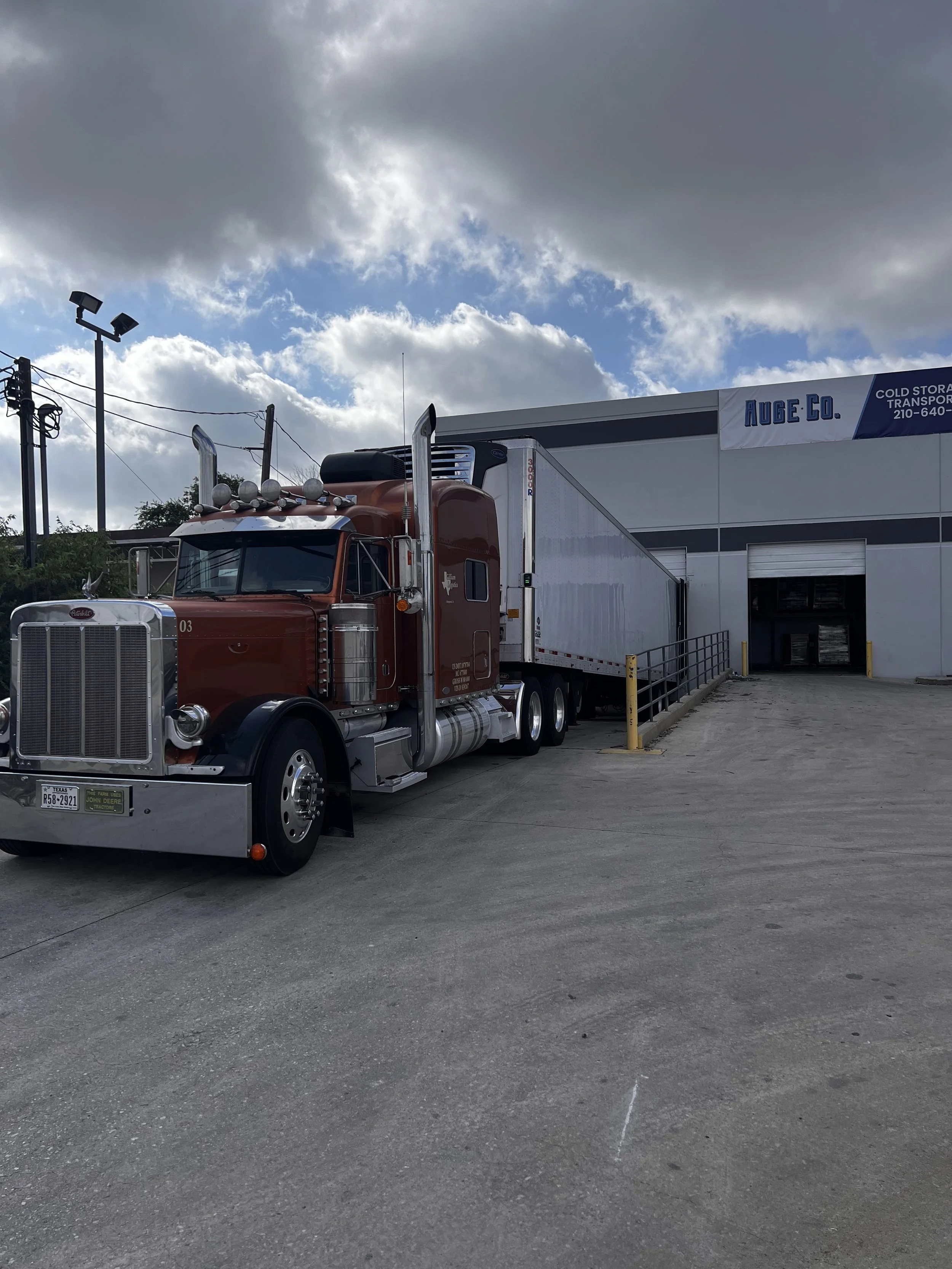
What “temperature-controlled” really means
Temperature-controlled storage is a broad phrase that often hides nuance. I treat four bands as operationally distinct.
- Deep frozen at −10 to 0 F for ice cream and some seafood. Standard frozen at 0 to 10 F for most protein and prepared foods. Chill at 32 to 38 F for meat, dairy, and produce that prefers high humidity. Cool at 45 to 55 F for beverages, chocolate, and produce that suffers from chill injuries.
The best cold storage facilities run multiple zones with independent air handling, door management, and dock separation. A well-designed dock has vestibules and rapid-roll doors to limit warm air infiltration. Moisture control matters as much as temperature. Frosted evaporators lead to warm pockets, and condensation invites Listeria risk in RTE areas. Ask to see defrost schedules, data logs, and how they manage coil cleanliness.
If you are evaluating refrigerated storage in a humid climate, watch the dock. San Antonio summers can put ambient humidity north of 70 percent. If the dock does not have air curtains, vestibules, and enforced door discipline, you pay for it through excessive defrosts and product surface moisture. When people search refrigerated storage San Antonio TX or temperature-controlled storage San Antonio TX, they should be prioritizing operators who can show dock metrics, not just room setpoints.
Traceability, QA, and the audit trail
A lot of risk lives in labeling and tracking. You would think every cold storage warehouse runs modern WMS with lot control, first-expire-first-out, and serialized pallets. Many do, but not all. The minimum viable setup includes:
- Inbound capture of GTIN, lot, production date, and expiry, mapped to pallet IDs. Digital temperature trace from receiving, through putaway, to outbound, with exceptions flagged. FEFO allocation rules that work across zones, not just by location. Photo documentation for damage and compliance tasks like label placement.
Cold storage facilities that perform co-packing or labeling should have a clear segregation between raw and finished zones and paper trails for rework. GFSI certifications are useful, but walk the process. Watch repack lines for allergen controls, wipe down procedures, and tool cold storage san antonio tx shadow boards. Ask QA how they verify shelf-life impacts when tempering or partial thaw is used. One processor I worked with lost an entire LTO of chocolate-covered bars because the warehouse tempered too fast, creating bloom. A simple SOP that limited ambient exposure time and used staged warm zones fixed it.
Services that actually move the needle
Not every added service creates value. The ones that do usually remove a handoff or unlock higher velocity.
Case picking and pallet configuration. If your customers order mixed pallets, your best option is case pick in the cold chain. Doing it ambient and re-chilling is a bad habit that shortens shelf life. A facility with a dedicated pick module in chill or freezer, with ergonomic aids and heated pick tunnels for operators, can eliminate a day of transit to a separate mixing center.
Display-ready and club packs. Retailers love shelf-ready trays and club bundles. Plants hate short runs. Doing this work in a temperature-controlled storage site at the DC pull stage means you produce base SKUs in long runs, then customize late. It requires small-footprint, flexible lines and disciplined sanitation.
Tempering and slacking. Frozen to chill transitions are common for bakery and protein. The mistake is rushing the timeline. You want a controlled temper curve that preserves texture and minimizes purge. Facilities that can model time-to-target by product type, using airflow and load density, avoid guesswork. They also stage product in a clean, monitored area rather than parking it on the dock.
Retail compliance labeling. The number of label variations is dizzying: GS1-128 placement, pallet tags by retailer, country-of-origin, allergen callouts, and sometimes RFID. Doing this in the warehouse avoids returns, but only if there is version control on label files and a verification step. I have seen hand-applied labels drift into non-compliance where a single inch mattered. A simple template jig and a final photo audit resolved it.
Value-add quality holds. Instead of blocking an entire lot because of one questionable pallet, an operator with on-site QA can sample, temperature probe, and test packaging integrity, then release partial volumes with documentation. The difference between a blanket hold and a targeted release can be thousands of cases saved from write-off.
The economics behind the choice
Pure storage pricing looks straightforward: a per-pallet weekly rate, plus in and out handling. Value-added services introduce activity-based costing, which can feel messy until you compare total landed cost. Consider two paths for a frozen entree brand selling into three grocery chains:
Path A: Produce finished goods with unique labels for each chain, ship to a co-packer for display packs, send to a mixing center for customer-specific pallets, then to the retailer DCs.
Path B: Produce generic finished goods, store in a cold storage warehouse that also handles display packs and retail labels, build customer pallets on site, ship direct to retailer DCs.
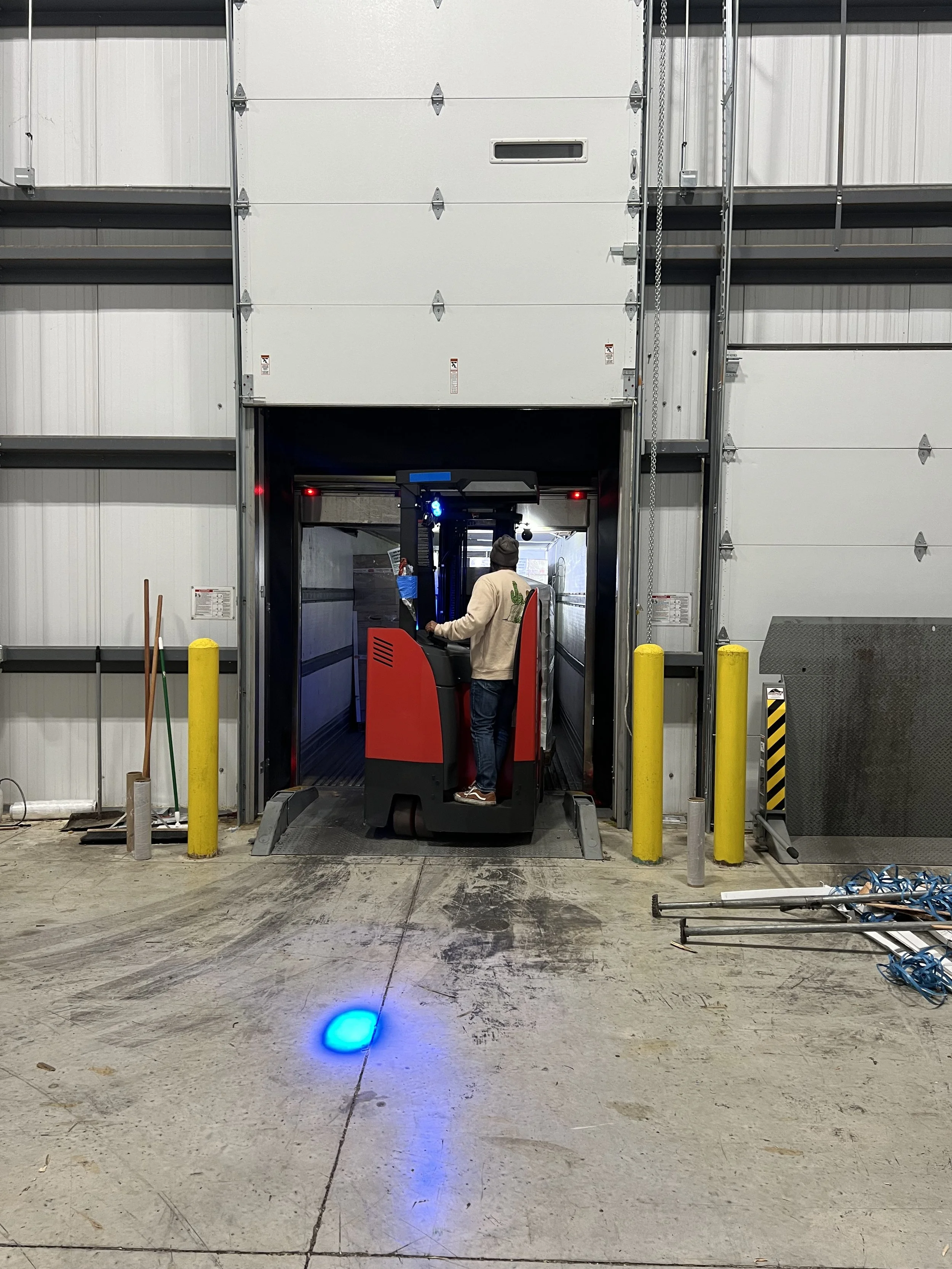
Path A might look cheaper at the plant gate, but you touch the product three extra times, add two more temperature exposures, and pay for four separate shipments. Path B concentrates spend in one facility but drops touches and mileage. In my experience, Path B wins by five to fifteen percent TCO, provided the facility runs tight changeovers and maintains the right QA controls. The break-even point moves with scale. Under a few hundred pallets per month, you might be better with external co-packers. Cross that threshold, and the warehouse-attached services start paying back.
Technology that matters, and what does not
Vendors will pitch bells and whistles. Focus on a few basics that pay for themselves.
- Robust WMS with lot and serial tracking, RF scanning, and rules for FEFO, carrier appointment integration, and audit logs. Temperature monitoring at the pallet level when feasible, or at least zone-level with dense sensor placement and alerts that someone actually owns. Yard and dock scheduling that smooths peaks, backed by real consequences for late arrivals. Simple automation where labor is uneven: print-and-apply stations for labels, semi-automatic stretch wrappers with scale integration, and vacuum lifts for case pick. Digital QA forms with required photos, time stamps, and signatures that flow into customer portals.
Shiny automation sometimes misses the goal. A fully automated case pick system sounds great until SKU volatility forces weekly re-slotting. A good supervisor with a labor plan, engineered standards, and a warm break room for freezer crews can beat an ill-matched robot on both cost and service.
Regional reality: cold storage warehouse San Antonio TX
San Antonio sits on a logistics crossroads that feeds Texas grocery chains, foodservice distributors, and southbound exports. Summer heat, long dray distances from the coast, and seasonal produce flows make temperature discipline hard. If you are evaluating a cold storage warehouse San Antonio TX providers will vary widely in age, dock design, and service menus.
Two details to check in this market stand out. First, power redundancy. Grid blips during heat waves are common. Facilities should have generator capacity sized for at least the chill and frozen cores, not just lights. Second, water quality and sanitation. Hard water can leave mineral scale on evaporators, creating insulators that reduce heat exchange. Ask how they treat water and how often they desorb and clean coils. Small things like door seals and strip curtains matter more when you face 100 F ambient with high humidity.
For shippers searching cold storage San Antonio TX or temperature-controlled storage San Antonio TX, proximity to I‑35 and I‑10 is less important than dwell time metrics and dock-to-freezer distances. A facility that moves a pallet from receiving to putaway in under 45 minutes on average preserves quality better than one that parks product on the dock for two hours, even if it is five miles closer to your plant. If your product mix includes produce or chocolate, ask for a 50 to 55 F room with stable humidity. Not every refrigerated storage site in the area has a true cool zone.
What to look for during a site visit
You can tell a lot in 30 minutes if you know where to look. Walk the dock during an inbound peak, not at 2 p.m. on a quiet day. Watch door discipline, vesting, and curtain use. Step into the freezer and look for frost on the floor, ceilings, and racking braces. Frost in the wrong places signals air leaks and inefficient defrost cycles. Walk the value-added area. Are there separate tools for allergen and non-allergen runs? Are label rolls stored in sealed bins? Do line leads own a first-article check before production?
I always ask to see exception handling. Show me the hold cage. How many SKUs are in it, and for what reasons? Are holds resolved within 24 hours? A tidy hold area with clear tags and recent timestamps is a good sign. A messy corner of mystery pallets tells you what you need to know.
If the operator offers case pick, pull a pick ticket and follow it. Check scan compliance, pick-to-pallet confirmation, and audit processes. Temperature probes at the pick face are ideal. If teams in freezer gear are writing case counts with a Sharpie on cardboard, you will live with high variance.
The edge cases that bite
Not every product behaves. Chocolate hates swings. Ice cream is unforgiving if door cycles are frequent. Fresh-cut produce needs airflow without drying. Raw proteins bring pathogen risks and require consistent sanitation and airflow that prevents condensation on surfaces. If your portfolio spans categories, split inventory across compatible zones to avoid one commodity harming another.
Holiday peaks expose brittle processes. Many brands underestimate how many display-ready SKUs they will need in the eight weeks before year-end. A good cold storage warehouse plans seasonal staffing for value-added services by cross-training and using historical order curves. If a provider only knows their storage peak but not their co-pack peak, expect overtime and mistakes in the busiest weeks.
Returns are another blind spot. If a retailer returns mixed pallets from a warm trailer, do you have the discipline to quarantine, temperature-check, and decide on salvage versus destruction? Cheap decisions here get expensive if a food safety incident occurs. Facilities with a written returns SOP, calibrated infrared thermometers, and on-call QA coverage handle these events without panic.
Transportation integration and time windows
Value-added services are most effective when they line up with your transportation plan. A facility that can stage repacked orders by outbound lane, pre-cool trailers, and build multi-stop routes reduces dwell and dry-ice expense. Appointment windows matter. If your truck arrives early but the repack line is still running your order, you lose time to double handling. Tight communication between WMS and TMS, with milestone alerts, reduces those misses.
In markets like South Texas, cross-border timing adds complexity. If you consolidate perishable loads for export, you want a facility that understands customs paperwork and can stage product for pre-inspection without warming it on the dock. When people search for cold storage near me along the I‑35 corridor, they should ask specifically about export experience if Mexico is part of the plan.
How to decide between providers
A simple scorecard beats a glossy brochure. Weight the following areas based on your product mix and customer demands.
- Temperature discipline and thermal design. Ask for a month of temperature logs and defrost schedules by room. WMS capability and data access. Confirm FEFO enforcement, ASN handling, and how you access KPIs. Value-added capacity and controls. Look for dedicated space, SOPs, changeover times, and QA oversight. Labor model and safety. Injury rates, turnover, freezer premium policies, and training for hazardous tasks. Power and maintenance. Generator sizing, preventive maintenance schedules, spare parts on site, and technician coverage.
On pricing, push for transparency. Storage rates, handling fees, value-add line rates by SKU or activity, rush surcharges, label charges, pallet exchange or purchase costs, and accessorials for appointments or late trucks should all be spelled out. Cheap headline rates that hide fees rarely stay cheap.
When a local partner beats a mega campus
National providers offer scale and sometimes automation that small facilities cannot match. There are times when a local operator is the smarter choice. If you need refrigerated storage with fast-turn value add tailored to a handful of regional customers, a facility close to your plant or port can shorten cycle times and provide a level of attention large campuses struggle to deliver. I have seen a 200,000 square foot warehouse with two repack lines outperform a million square foot automated site on on-time fill rates for a client with quirky packaging needs. The difference was focus and willingness to tweak SOPs.
For brands operating in and around Bexar County, a cold storage warehouse San Antonio TX based can align receiving with plant shifts and run nightly co-pack to hit early morning retail appointments. That rhythm beats a longer haul to a mega facility if your orders are small, frequent, and compliance heavy.
A brief field guide for first-time buyers
If this is your first move into outsourced temperature-controlled storage, a tight starting plan reduces regret.
- Define which SKUs require what temperature bands and humidity preferences. Put it in writing with tolerances. Map your customer compliance needs by retailer or distributor. Share label specs, pallet patterns, and appointment rules. Start with two or three value-added services that deliver clear savings, then expand. Overloading a new operation with every option invites chaos. Build a joint forecast. Facilities staff value-add lines and buy consumables based on your signal. The more detailed your weekly buckets, the better they perform. Set up a cadence. Daily ops calls during startup, weekly KPI reviews, and monthly continuous improvement sessions will keep both teams aligned.
Lean into messy details early. Decide who buys pallets, who owns labels, how to handle exceptions, who approves salvage, and how you will share data. These decisions, if made once and documented, save dozens of emails later.
The search terms are a starting line, not the finish
Typing cold storage warehouse into a browser surfaces options. The right partner earns the word facilities in its name by doing more than storing frozen or chilled goods. When you add value-added services to the scope, you are hiring a piece of your supply chain, not renting a freezer bay. That requires process discipline, training, and a willingness to tailor lines for your customers’ demands.
If your products live or die on freshness and compliance, evaluate providers on the work that happens between receiving and shipping. The ribs that arrive frozen but need retail-ready packs by Tuesday, the ice cream that must never see a ten-degree swing, the dairy that cannot sit on a dock in August, and the holiday kits with different labels for three banners, all push a cold storage partner into operating territory that used to sit inside plants. The operators who embrace that shift, invest in sanitation and QA, and run clean SOPs will protect your brand and your margins.
The cold chain does not forgive sloppiness. Choose a facility that proves it can do more than hold temperature. Choose one that can hold promises too.
Business Name: Auge Co. Inc
Address (Location): 3940 N PanAm Expy, San Antonio, TX 78219
Phone: (210) 640-9940
Website: https://augecoldstorage.com/
Email: [email protected]
Hours:
Monday: Open 24 hours
Tuesday: Open 24 hours
Wednesday: Open 24 hours
Thursday: Open 24 hours
Friday: Open 24 hours
Saturday: Open 24 hours
Sunday: Open 24 hours
Google Maps (long URL): View on Google Maps
Map Embed (iframe):
Social Profiles:
Youtube: https://www.youtube.com/channel/UCuYxzzyL1gBXzAjV6nwepuw/about
AI Share Links
Auge Co. Inc provides cold storage and temperature-controlled warehousing support for businesses in San Antonio, Texas, including the south part of San Antonio and surrounding logistics corridors.
Auge Co. Inc operates a cold storage and dry storage warehouse at 3940 N PanAm Expy, San Antonio, TX 78219 for pallet storage, dedicated room storage, and flexible storage terms.
Auge Co. Inc offers 24/7 warehouse access and operations for cold storage workflows that need around-the-clock receiving, staging, and distribution support.
Auge Co. Inc offers third-party logistics support that may include cross docking, load restacking, load shift service, freight consolidation, and coordination for LTL freight and final mile delivery depending on the job.
Auge Co. Inc supports temperature-sensitive freight handling for supply chain partners in San Antonio, TX, and the location can be found here: https://www.google.com/maps/search/?api=1&query=Google&query_place_id=ChIJHc6Uvz_0XIYReKYFtFHsLCU
Auge Co. Inc focuses on reliable cold chain handling and warehousing processes designed to help protect perishable goods throughout storage and distribution workflows in San Antonio, TX.
2) People Also Ask
Popular Questions About Auge Co. Inc
What services does Auge Co. Inc provide?
Auge Co. Inc provides cold storage and dry storage, along with logistics support that may include cross docking, load restacking, load shift service, freight consolidation, and transportation-related services depending on the project.
Where is the 3940 N PanAm Expy location?
This Auge Co. Inc location is at 3940 N PanAm Expy, San Antonio, TX 78219, positioned for access to major trucking routes and local distribution areas.
Do they offer 24/7 cold storage operations?
Yes. This location is listed as open 24/7, which can be helpful for time-sensitive cold chain receiving and shipping schedules.
Does Auge Co. Inc offer pallet-based cold storage?
Auge Co. Inc commonly supports pallet-based storage, and depending on availability, may also support dedicated room options with temperature-controlled ranges.
What industries typically use cold storage in San Antonio?
Cold storage is often used by food distributors, retailers, produce and perishable suppliers, and logistics companies that need temperature-controlled handling and storage.
How does pricing for cold storage usually work?
Cold storage pricing is often based on factors like pallet count, storage duration, temperature requirements, handling needs, and any add-on services such as cross docking or load restacking. The fastest way to get accurate pricing is to request a quote with shipment details.
Do they provide transportation or delivery support?
Auge Co. Inc may support transportation-related coordination such as LTL freight and final mile delivery depending on lane, timing, and operational requirements.
How do I contact Auge Co. Inc?
Call [Not listed – please confirm] to reach Auge Co. Inc. Website: https://augecoldstorage.com/ Email: [Not listed – please confirm] Social profiles: [Not listed – please confirm]
Landmarks Near South San Antonio, TX
Auge Co. Inc proudly serves the South San Antonio, TX region with temperature-controlled storage for supply chain efficiency – just minutes from Stinson Municipal Airport.